Search


OPTIONS: MEDPOR® Biomaterial and Surgical Implants

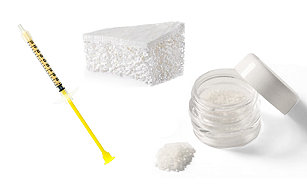
Click to see larger picture MEDPOR® Biomaterial


MEDPOR Surgical Implants are manufactured from linear high-density polyethylene. Polyethylene has a long history of use in surgical implants. MEDPOR Biomaterial allows for tissue ingrowth because of its interconnecting open pore structure. The porosity of MEDPOR Biomaterial is maintained large with average pore sizes greater than 100 micro-meters and a pore volume in the 50 percent range (based on Mercury Intrusion Porosimetry measurements). The firm nature of the material allows carving with a sharp instrument without collapsing the pore structure.

Animal data has demonstrated that MEDPOR surgical implant material permits tissue ingrowth. Histologic analyses of biopsies from human implants have also demonstrated tissue ingrowth. The clinical significance of tissue ingrowth varies with the application and implant site. The long term clinical effect of this characteristic has not been established.

In Vitro and In Vivo biocompatibility studies have shown MEDPOR surgical implants to be void of any observable systemic or cytotoxic effects.

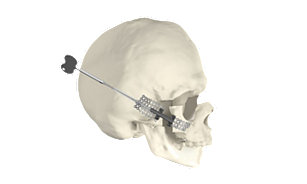
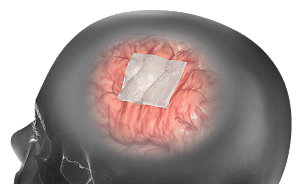
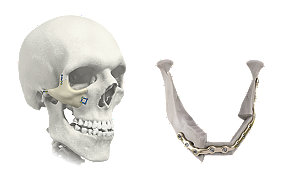
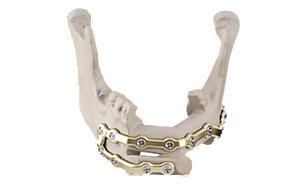
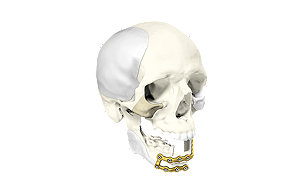
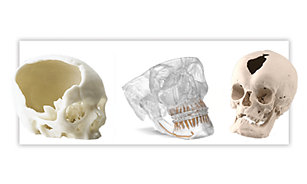
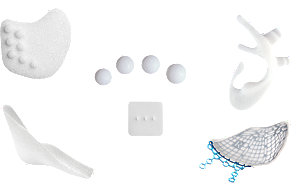
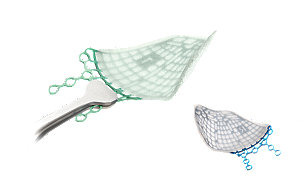
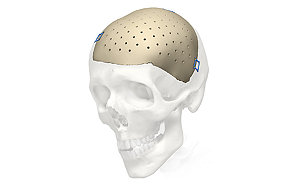
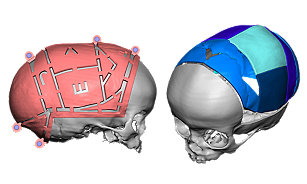
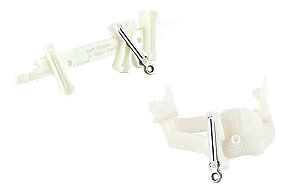
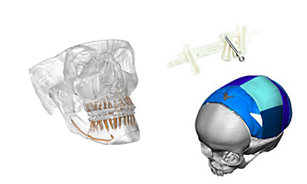
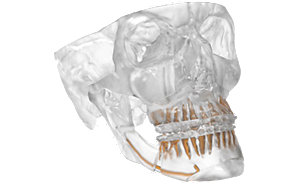
Surgical implant shapes are manufactured in a wide variety of shapes and sizes for use in craniofacial reconstruction and augmentations. MEDPOR block, sheet and pre-formed shapes are intended for augmentation or restoration of contour in the craniofacial skeleton.

Click to see larger picture

Implants are provided STERILE, packaged individually in double peel pouches.

Cutting and Handling MEDPOR Biomaterial

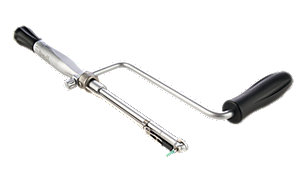
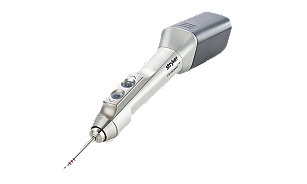
MEDPOR Surgical Implants are easily cut with a variety of surgical instruments. The unique physical properties of the MEDPOR biomaterial allows for cutting and trimming the implant while maintaining the interconnectivity and the structure of the pores.

CAUTION: Do not place or carve the implant on surgical drapes, surgical clothing or any other surface that may contaminate the implant with lint and other particulate matter.

Sheets and blocks trim easily with surgical scissors or a small scalpel blade.
Submerge the implant in a hot, sterile saline bath (over 180ªF) for several minutes until the implant softens.
Thicker implants may be shaped with large scalpels, bone cutters or a cutting burr.
Gently bend the implant to the desired shape. Return the implant to the hot saline if there is too much resistance.
Multiple pieces of implant material may be stacked and sutured together.
Hold the implant in the final shape and allow to cool. The use of a cold sterile bath can accelerate this process.
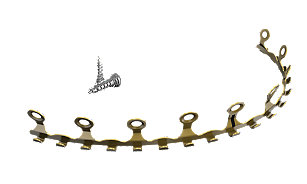
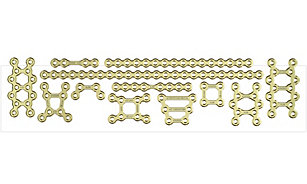
Proper rigid fixation techniques allow for stabilization of the implant.
***Attention***

The information presented in this electronic site is for information only and is not intended to present comprehensive surgical techniques. Surgeons should utilize proper surgical techniques for which they are trained and their clinical experience to determine appropriate surgical procedures. Successful implantations are technique sensitive and depend on a number of clinical factors. Sound surgical judgment should be used in the selection and use of all products. Complete product labeling is included in the package insert provided with each product. The surgeon should adequately review this information before using the product.
 

Go to: Clinical References | Additional Resources


|

15 Dart Road | Newnan, GA 30265-1017 USA | Telephone: 1-678-479-1610
Copyright 2004 Porex Corporation. All rights reserved. Legal.